Wednesday, May 6, 2026

A Publication For Loan Officers

The Elite Officer

Vol. 1

Section

Insights

Why-Emotion-Always-Shows-Up-Before-Logic

How Negative Emotions Sabotage Performance — And 5 Science-Backed Ways to Take Control

September 17, 2025 Let’s be clear. Performance isn’t just about skill, strategy, or knowledge. It’s also about emotional state. Whether you’re on a call with a tough client, presenting to investors, or leading your team through uncertainty, your ability to perform depends on how you feel — and how you manage those feelings. We all know this from real life. Have you ever tried to have a serious conversation with your partner while you’re angry? You raise your voice. You want to win the argument. You want to be right. But does anything truly get resolved in that state? Probably not. Because your brain isn’t looking for solutions — it’s focused on survival. When we’re emotionally triggered, especially with anger, the brain gets flooded with cortisol and adrenaline. It seeks control. It seeks certainty. And above all, it seeks to be right — because being right releases dopamine, and dopamine feels good — even when it leads to bad decisions. Why Emotion Always Shows Up Before Logic There’s a reason this happens. The emotional core of your brain — the limbic system — has been evolving for nearly 200 million years. It’s fast, automatic, and designed for survival. The rational part — our prefrontal cortex — is the newest addition to human evolution. It only reached its modern form about 200,000 years ago, with the emergence of Homo sapiens. This is the part that governs logic, reasoning, and long-term planning. But here’s the catch: it’s slow, fragile, and consumes a lot of energy. So what happens when we face pressure? The older brain takes command. It says to the young one: “Step aside, I’ve got this.” That’s why it is believed that up to 95% of our decisions are made emotionally, with logic coming in afterward only to justify them. We act first, guided by instinct, fear, desire, or habit. Only afterward do we bring in logic — not to decide, but to justify what we already chose Emotion acts first. Reason explains later. And unless you deliberately interrupt that process, emotion will win the fight. It’s not because we’re irrational — it’s because we’re human. Emotion is faster. It reacts in milliseconds. Reason needs time, energy, and context to activate. That’s why great leaders don’t suppress emotion — they learn to navigate it. How Negative Emotions Sabotage Performance Neuroscience shows that negative emotions activate the brain’s threat system. That means: Less access to logic and creativity Narrowed attention Poor risk assessment Lower trust and connection Here are some of the most common emotional traps that sabotage performance: Anger: Leads to impulsiveness, a harsh tone, and damaged relationships. You respond instead of listening. You push when you should pause. Anxiety: Creates overthinking, tension, and fear of failure. It’s the mind stuck in the future — and the body stuck in defense. Sadness: Slows reaction time and lowers motivation. It makes everything feel heavier than it really is. Frustration: Pushes you into impatience or quitting too soon. It clouds judgment and reduces resilience. Guilt: Erodes confidence and leads to self-sabotage. You hesitate when you should lead. None of these emotions are “bad” — but unmanaged, they become obstacles. What Top Performers and Leaders Do Differently? They don’t pretend to feel great all the time. They manage their emotional state with intention and practice. Here’s how: 1. Name the emotion — don’t deny it Research shows that labeling an emotion reduces its intensity. If you say, “I’m feeling anxious right now,” your brain begins to regulate. This is called emotional labeling — and it’s the first step toward self-control. 2. Breathe to reset the nervous system Three slow breaths — in through the nose, out through the mouth. This lowers cortisol, slows your heart rate, and clears mental fog. Even one minute of breathing can shift your performance. 3. Reframe the thought Thoughts generate emotion. Instead of “This is going to go badly,” try “This is a chance to learn.” Shift from pressure to purpose. This one mental adjustment can transform your state and your outcome. 4. Use rituals to change your state Athletes bounce the ball before a serve. Public speakers stretch backstage. You can create your own rituals to reset between moments. For example: take a two-minute walk, listen to a grounding song, visualize a past success, stretch and breathe before the next call. You’re not pretending everything is fine — you’re choosing to reenter your best state. 5. Strengthen the basics Sleep, exercise, hydration, and nutrition impact your ability to regulate emotion. Your emotional resilience starts in your body, not just your mind. Final Reflection You don’t need to eliminate negative emotions. You need to understand them, manage them, and lead through them. Because performance is emotional. Leadership is emotional. Sales is emotional. The professionals who manage their inner world perform better in the outer one. So next time things don’t go your way, don’t just ask “What happened?” Ask: What was I feeling? What was I thinking? And what will I choose next? That’s the mark of a real leader. This column is part of Neuroscience in Action: A Tribute to the Teachings of Estanislao Bachrach, a series exploring how neuroscience can be applied to everyday performance in the lending industry. This section is independently produced by the editorial team of The Elite Officer. It is inspired by the public lectures and published works of neuroscientist Estanislao Bachrach, but it is not affiliated with or endorsed by him. Estanislao Bachrach Holds a PhD in Molecular Biology from the University of Montpellier and a Bachelor’s in Biological Sciences from the University of Buenos Aires, with additional leadership and innovation training at Harvard University. He has taught at Universidad Torcuato Di Tella, speaks internationally, and is known for blending neuroscience, creativity, emotions, and leadership. He’s the author of several impactful books: ÁgilMente (translated into English as The Agile Mind: How Your Brain Makes Creativity Happen – 2017) ; EnCambio (2015); Cuentos y Juegos para Ágiles Mentes (2016); Random (2017); Zensorial (Spanish title: Zensorialmente: Dejá que tu cuerpo sea tu cerebro, 2023); ÁgilMente 2 (2023);

By adm1n_2411

Eduardo Cohen & Arianna Mijares

Loan Officer of the Month: Getting to Know Eduardo and Arianna

“Behind every loan, there’s a dream.” That phrase echoed throughout our conversation. Because at RBI Private Lending, it’s not just about funding projects — it’s about building stories. With Eduardo and Arianna, I discovered not just two outstanding Loan Officers, but two people driven by clarity, warmth, and vision. “I always wanted to understand the full business” – Eduardo Uriel: Eduardo, tell me a bit about your journey. How did you end up in the private lending world? Eduardo: I studied Economics in Boston, but from the beginning, I wanted to focus on real estate. I went through everything — construction, raising capital, flipping properties. I dove deep to understand each part of the business. I wanted to speak the same language as my clients. Uriel: And how did you land at RBI? Eduardo: I had known Andrés for years. At one point, I brought him a deal. It didn’t go through, but he liked how I worked. He told me, “I don’t need to ask anything else — come work with me.” And that’s how it started. Uriel: You came in with a solid background. What was the first real impact in practice? Eduardo: My first loan left a mark. It was a client who didn’t believe anyone would finance him. He was a contractor wanting to do a fix & flip. He was used to banks not even looking at him. But we pushed through, the loan got approved, and he called me to thank me. He said, “This is a dream come true for me.” That hit deep. Uriel: And that confirmed you’re where you need to be, right? Eduardo: Exactly. That’s when I realized this job isn’t just about approving a loan — it’s about changing someone’s life. “Opportunities aren’t waited for — they’re created” – Arianna Uriel: Arianna, your story is quite different. How did you get into this world? Arianna: I started with conventional loans, working as a broker with foreign clients. One day I got a call for an interview, but missed it. Three days later, I heard the voicemail and thought: “I’m going anyway.” I drove two hours from Fort Myers to Miami, showed up with my resume and told them I wasn’t going to miss the chance. Uriel: I know I’m about to make a long comment — so bear with me. But that story says everything about you. In this business, and in life, proactivity is everything. Some people wait for another call, another chance. Others — like you — don’t wait for a second invite. You got in the car and drove two hours without knowing what would happen. That alone tells me everything I need to know: you’re someone who will find a way. When faced with adversity, many people hesitate. But success doesn’t usually come to those who wait. It comes to those who act. Life’s road can be tough, sure — but the hardest part is making the decision. Once you’re clear on your direction, no obstacle is too big. Arianna: Thank you, Uriel. That means a lot. Uriel: Now tell me — how was the move to sales? Arianna: Andrés told me, “I want you to start here, but you’ll move to sales.” And that’s what happened. I started in processing, and once I got to sales, I realized how valuable it was to have gone through those earlier stages. Uriel: What’s the best — and toughest — part of being in sales? Arianna: I get really involved. If a loan falls through, it gets to me. It can ruin my day. But it also pushes me forward. I love helping people. I love making the impossible happen. Solving, deciding, moving forward Uriel: What’s your work rhythm like? What does being available really mean in this industry? Eduardo: I try to sleep as little as possible. I like making the most of my day. And in this business, that’s essential. What we bring to the table is speed. And to deliver that, you’ve always got to be one step ahead. Arianna: You can’t wait. If you miss a message, a deal can collapse. You have to be alert. But you also have to know your limits. Work-life balance is a huge challenge. Uriel: And how do you manage that? Eduardo: RBI helped us organize. There are systems, there’s a culture. But still, the commitment demands it. Sometimes a contract expires in one hour — and you have to choose between dinner with your family or saving a closing. Growth with purpose Uriel: Let’s talk about challenges. What are you trying to overcome right now? Eduardo: Scaling without losing quality. Doing five loans a month is one thing. Doing thirty is another. That takes processes, a team, and knowing how to delegate. And all that takes time and strategy. Arianna: For me, it’s about not carrying everything on my shoulders. I had a client who couldn’t close, and it hit me hard. But there are things we just can’t control. Education and Technology Uriel: How important is educating the client in all of this? Eduardo: It’s huge. These products aren’t like traditional loans. Many clients come in with the wrong expectations. You have to explain, to guide — and that takes energy. Uriel: And what about technology? Do you think AI can help in this industry? Eduardo: Yes — for internal processes. To filter, automate, organize. But it will never replace human interaction. When you have one hour to save a closing, you need someone who can think, who can call, who can feel. Arianna: Exactly. A client’s needs can change minute by minute. You have to understand them, talk to them, guide them. And no machine can do that.“What I do matters”Uriel: Eduardo, you mentioned driving by projects you helped finance — that really stuck with me. Eduardo: I do it often. Seeing a house that got built because I stayed late one night… it’s real. It’s tangible. It’s not just about lending money.

By adm1n_2411

Uriel Fleicher

From the Editor’s Desk: Welcome to the Beginning

It’s an honor to introduce you to this new platform — a space created for and by Loan Officers and Account Executives across the United States. Our mission is clear: to inspire, educate, and connect professionals in the mortgage sector by providing valuable tools to grow their careers and stay ahead of the curve. We believe continuous learning, idea-sharing, and access to relevant insights are essential to thrive in this dynamic and demanding industry. Where did this idea come from? The truth is simple: we all know that Loan Officers are the real driving force behind the lending industry. They’re the ones on the ground, building relationships with brokers, solving problems, closing deals. They are the heartbeat of every lender’s operation. Without Loan Officers, lenders wouldn’t even know who to lend money to. And yet…While the CEOs and executives are out playing golf and getting featured in well-known, glossy magazines, the Loan Officers — the ones actually keeping the machine running — often go unnoticed. If you’re a CEO reading this, don’t worry — we’re not starting a union. Not today.In fact, every Loan Officer I’ve spoken to shares something in common: a deep sense of gratitude and loyalty — not just to their company, but also to their executives and leadership teams. But that doesn’t mean they don’t deserve a voice. That doesn’t mean they don’t deserve to be seen. This magazine was born to change that. The Elite Officer is the first magazine created specifically for you — the Loan Officers and Account Executives — to celebrate your stories, share your insights, and showcase your journeys. This is your space to reflect on your challenges, your wins, your routines, your wisdom — and how you got from surviving… to thriving. Because when one of you grows, we all grow. If you’re thinking, “I could never be one of the best,” then sadly… you’re right. But not because you can’t — because you’ve built your own mental prison.The Elite Officer wants to help you find the key to unlock the best version of yourself.If we can impact even one Loan Officer’s life through this magazine, then we’ve done our job. What You’ll Find on The Elite Officer Most of the articles you’ll read here are written by Loan Officers themselves — your peers.The rest? Curated for you. At the heart of it all is Best, where we spotlight outstanding Loan Officers — not through sponsorships, but through earned recognition. In Spotlight and Insight, top executives and industry leaders share strategies, market outlooks, and practical tools you can apply immediately. Spotlight also features powerful success stories told through authentic storytelling — real journeys that inspire and motivate. PeerTalk includes honest experiences and peer recommendations — practical tips, tested approaches, and insights from professionals who are in the field every day. The Leadership section dives into mindset, personal growth, and how to lead yourself and others through constant change, while Market breaks down economic shifts and industry trends that directly impact your daily work. Need a breather? Break brings sharp, insider humor that only those in lending will truly get. In Events, we highlight key conferences and networking opportunities to help you stay connected with the industry. And in Tools, you’ll discover vetted resources, platforms, and service providers tailored to the real estate and lending world — all curated to help you work smarter and grow stronger. Strategic Alliance with Millennia Atlantic University We’ve worked hard to reach a strategic partnership with Millennia Atlantic University to co-develop a series of educational initiatives tailored specifically for Loan Officers and Account Executives. Together, we’re building both in-person and online programs — including an intensive course designed to elevate the skills of today’s lending professionals. All training will be part of the university’s Business School framework, ensuring high-quality content aligned with real industry needs. As part of this collaboration, subscribers to The Elite Officer will also have access to free monthly courses led by university professors and lending leaders— because growing means learning, and this journey starts with you. So please, take this space as your own. Embrace it.And if you think there’s anything we can improve, let us know. We’re building this with you. Welcome to your home.Welcome to the beginning. Uriel Fleicher Editor in Chief and Co-Founder of The Elite Officer Uriel Fleicher is a lawyer from Argentina with a strong academic background, holding a Master in Business Law and currently pursuing an MBA. Throughout his extensive career, he has provided legal counsel to Private Lending Firms in Argentina, which allowed him to establish valuable connections with key industry leaders in the United States. This experience enabled him, along with his partners, to identify a unique opportunity: the creation of The Elite Officer.

By adm1n_2411

Lima One

Florida, Watch Out: Lima One Is Coming Back With Fire

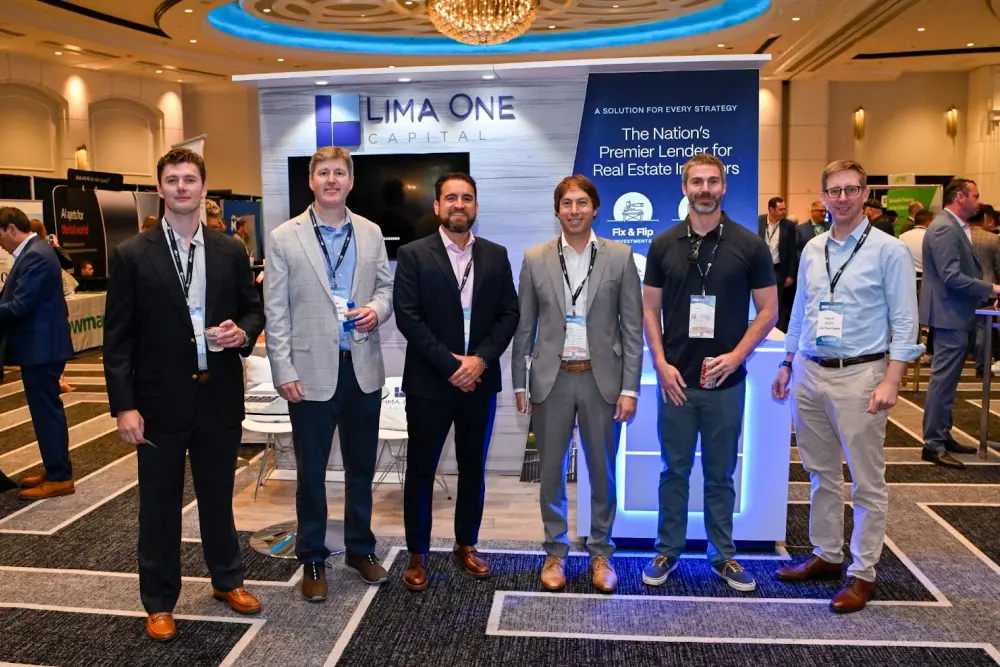
At the buzzing IMN Conference in Miami — a blur of panels, espresso-fueled conversations, and high-level networking — one encounter stood out for its intensity and clarity of purpose. My conversation with George Naveda, Senior Sales Manager at Lima One Capital, was not just another industry exchange. I met proactivity in its purest form — a rare blend of ethical conviction, spiritual energy, and professional drive. And if that energy is fuel, Florida is about to witness an explosion like few before. Uriel Fleicher: George, you recently joined Lima One Capital with a clear mission. What’s your immediate focus in this new role? George Naveda: I came to Lima One with a very specific assignment: to rebuild and expand our presence in Florida. We’re not just looking to reclaim the position we once held in this state — we’re aiming to surpass it. The goal is clear: to become number one in originations in Florida, reaching — and exceeding — one billion dollars in loans. Uriel: And do you have the resources to hit such an ambitious target? George: Absolutely. We’ve got the resources, the institutional backing, and most importantly, the hunger to take that position back. The market is ready. So are we.Uriel: So does this mean hiring new people? Expanding the team? George (with a confident smile): It’s not about hiring in volume or opening dozens of branches — our growth strategy is intentional. We’re focused on bringing in key players who are aligned with our mission and culture. These are professionals who see the value of joining the Lima One force to target strategic markets where we know we’ll win — starting with our Central Florida office in Orlando, then expanding into Tampa, Jacksonville, Palm Beach, and of course, Miami. Uriel: So if a Loan Officer is reading this, should they reach out? George: Absolutely — but I’m not looking for mercenaries. I’m looking for people who believe it’s time for a meaningful change. People who want to build something special, not just close deals. Our strategy is based on the book Lead Like a Marine, written by Lima One’s founders. It’s a proven model built on discipline, small fire teams, and servant leadership — and it’s been a cornerstone of Lima’s success from the beginning. Loyalty here flows in both directions, and that’s what sets us apart The Lima One booth had a different energy. Something was brewing — and it wasn’t just about rates or loan products. It was a clear vision, executed with passion by someone who exudes leadership. Florida, get ready: Lima One is coming full force, led by someone who doesn’t just know what he wants — he knows exactly how to get it. George Naveda Senior Sales Manager of Lima One Capital(786) 788-1022gnaveda@limaone.com George Naveda is a seasoned professional with over 25 years of experience in real estate lending, known for his relationship-first approach and deep commitment to investor success. Before joining Lima One Capital, he was a top producer at Wells Fargo and later founded his own lending company, where he built and led a high-performing team of loan officers. At Lima One, he brings a sharp understanding of the Florida market, forging strategic partnerships with investors and operators. His focus on building long-term relationships over one-time transactions makes him a trusted ally for those looking to scale their real estate portfolios sustainably.

By adm1n_2411

Saias, Rostoker & Fleicher

What’s Behind RBI’s Success?

In the financial world, where metrics often dominate conversations and rankings seem to summarize entire journeys, it is both refreshing—and necessary—to pause and take a closer look at the stories that transcend numbers. RBI is one of them. A standout in the private lending ecosystem, RBI has established itself as a leading force in alternative financing. Their annual figures, indeed, show a steady growth curve. But to define their success solely in terms of economic performance would be, at best, incomplete. As with all truly transformative stories, the real key lies elsewhere. To understand it, you need to step inside the company’s culture. Speak with its people. Pay close attention to how they connect with their clients. That’s what we did for this edition, interviewing two of their loan officers, who, far from the distant image of the “financial executive,” revealed themselves as attentive, committed, and genuinely compassionate. This is no coincidence—it is part of their philosophy. At RBI, success is not measured by profitability alone. It extends to a more human, almost vocational sense of purpose. How many people did we help this year? How many projects were brought to life because of our support? These are the questions that echo through the company’s halls and guide its daily work. It’s not about idealism, but about a professional ethic that understands money for what it truly is: a means, a vehicle to help others reach their destination. That’s why, when a deal falls through, it’s not the lost capital that hurts the most, but the lost opportunity—the dream that couldn’t take shape. Perhaps this is where RBI most clearly sets itself apart: at RBI, the human impact of every transaction is not an afterthought. It is at the heart of what they do. This deep sense of purpose, of course, exists alongside a strong technical backbone, rigorous processes, and a sharp analytical approach. Supporting others in their financial decisions requires not only empathy, but also precision, expertise, and responsibility. RBI’s true achievement is in this rare balance: blending reason with purpose, hard data with a vocation to serve. It’s worth noting that this organizational culture—remarkable for its consistency and depth—is no accident. It is the direct result of the ethical and professional values upheld by RBI’s leadership. Both CEO Ernesto Rostoker and Chief Lending Officer Andrés Saias, whom we had the pleasure of interviewing, embody this vision with clarity: to lead by example—with humanity, with strategic purpose, and with an unwavering belief in the social value of private credit. What lies behind RBI’s success, then, is not a magic formula or a secret strategy. It is, instead, a deep consistency between what they do and why they do it. A broader understanding of the role a company can play within the social and economic fabric. A commitment to something as intangible—and as vital—as the dreams of others. At a time when cynicism often seems to prevail, finding an organization that honors the human side of its work is, without a doubt, good news. And perhaps that is where true success lies: never forgetting why we do what we do. And now, I leave you with Ernesto and Andres. Uriel: Thank you Ernesto and Andres, it is a pleasure to have you in this inaugural edition. To begin, RBI has earned a prominent position in the private lending market. Could you walk us through how it all started? Ernesto: Thank you, Uriel. We’re honored to be part of the magazine’s very first edition. It all started around 2014 and 2015, when we began offering loans to foreign nationals to help them buy cars. These were people with no access to credit in the U.S., and we helped them establish their first credit history. At the time, this was a completely innovative idea—there was no similar product in the market. Soon after, we identified another growing need in the real estate sector. From 2012 to 2015, foreign purchases of condos in Miami multiplied fivefold. Many investors were entering the market, but financing models were informal—individual investors would group together and lend money on a case-by-case basis. There was no structured business model. While banks offered lower rates, they came with many requirements and prepayment penalties. We offered a different alternative: higher rates—say, 8.5% instead of 5%—but with fast approval times (10 to 15 days) and no prepayment penalties. Typically, we lent up to 50% of the property value, connecting borrowers on one side and investors on the other. By 2018–2019, the business had evolved. We decided to split it into two units: one focused on loan origination and selling those loans in the secondary market, and the other a long-term investment fund. That’s how RBI Private Lending was officially born—fully dedicated to professional loan origination. Andrés: I’d also add that at the beginning, nearly 100% of our portfolio consisted of bridge loans. But by 2018/2019, we began shifting toward more experienced fix & flip and construction loan borrowers. Uriel: And, how is your current loan portfolio distributed? Andrés: Today, 60% of our portfolio is construction loans, 30% is fix & flip, and the remaining 10% is bridge loans. That shift came as we began working more directly with repeat investors. Internally, we built out the structure to manage these types of loans, including site inspections and project monitoring. Ernesto: With our in-house management team and integrated technology, we can now provide immediate responses to new construction loan requests. That gives us a competitive edge, and we believe we’re well on our way to becoming national leaders in this space. We’re also starting to work with DSCR loans—30-year term financing for stabilized properties, where investors choose to refinance. Uriel: And tell me Andres, some companies mainly focus on brokers, not investors. What’s your approach? Andrés: We work with both. Originally, we focused on brokers, but over time—and with technology—many experienced clients began reaching out directly, without the need for intermediaries. That said, we still maintain strong relationships with brokers. We offer them highly competitive programs and

By adm1n_2411

Jeffrey Tesch

Insights

“The Time Is Now”: Leadership & Market Insight with Jeffrey Tesch, CEO of RCN Capital

We’re honored to feature Jeffrey Tesch, CEO of RCN Capital — one of the most influential voices in the private lending industry. Under his leadership, RCN has grown into a national powerhouse, recognized for its speed, consistency, and unwavering commitment to brokers and investors alike. Over the past 12 months, the company originated $1.59 billion in loans, earning the No. 3 spot nationwide in market share. In the midst of a fast-evolving market, Jeffrey graciously took the time to share his insights with The Elite Officer. We’re truly grateful for his openness and generosity. We hope this conversation brings valuable perspective to Loan Officers and professionals navigating today’s lending landscape. Originally intended as a straightforward Market Insight interview… this piece became something more. I just couldn’t help myself. Very quickly, it turned into something much more than numbers and trends. Yes, you’ll find a sharp analysis of the current state of private lending and valuable insights on how to navigate today’s challenging market. But you’ll also discover how one of the most important companies in the industry was born—and evolved—told firsthand by its CEO, Jeffrey Tesch. We talk about corporate culture, leadership, pivotal decisions, and life lessons that go beyond business. The conversation with Jeffrey flows through emotions rarely seen in the financial world: the joy of the path traveled, genuine excitement for what lies ahead, but also a responsible concern for today’s uncertain landscape, and the seriousness of a leader who leads by example. There’s laughter as we revisit the company’s early days, and a hint of sadness when recalling the tough times brought by the pandemic. All of it wrapped in a human warmth—and above all, a humility—that leaves a lasting impression on this writer. Though the article is presented as a conversation, it is not a word-for-word transcript. Some parts have been adapted for clarity and flow—but I believe the essence of each message remains intact. I’ll leave you now with Jeffrey. Uriel Fleicher: First of all, thank you. Just to warm things up—let’s talk about your company, Rehab Cash Now. (Yes, that was actually the original name, and when I mentioned it, Jeffrey started laughing—and so did I.) Jeffrey Tesch: Yeah, that’s how it all started. It was an interesting time—2010—15 years ago. We just celebrated our 15th anniversary with a big party. It was especially exciting for the employees that have been with us the entire way. In 2010, the single-family housing market in the U.S. was extremely challenged. Prices were deflating because conventional buyers had no appetite to purchase, and banks were foreclosing on properties due to people’s inability to make payments in a tough economic climate. We believed it was the perfect time to launch a business that deployed capital to investors buying distressed properties—often unlivable—and fixing them up to return to the market. Our whole focus was to provide capital not just to buy, but also to rehab the property. Once they sold, we’d get paid off. That’s where the name Rehab Cash Now came from. It was 2010, and I was trying to find a name. Even then, finding a good .com domain was hard. I wanted something simple that clearly said what we did and was easy to spell. That’s how RehabCashNow.com started. A few years later, our Chief Marketing Officer, Erica LaCentra, said we had graduated and needed a more institutional name. RehabCashNow sounded a little… informal. So we became RCN Capital. But you can still go to rehabcashnow.com—it redirects to RCN’s website. Uriel: Thank you for that. Now, about the work culture at RCN. Someone from your company, whose name I’ll keep private, told me, “Jeffrey really cares about us.” I also read that during the pandemic, you struggled not seeing your team every day. So it seems RCN is like a family to you. Can you tell me more about that connection? Jeffrey: As I’ve matured in my career, I’ve realized—starting even before RCN when I owned franchises—that everything that leads to success revolves around making employees feel valued, appreciated, and elevated to be the best version of themselves they can be, and that goes for good times and bad times. When we hire people it’s about building a collective community of like-minded people who enjoy working together and support one another. That’s more important than a 4.0 GPA or a fancy degree. We don’t hire people for jobs—we hire for careers. There’s a big difference. Jobs are tasks. Careers are about investment in growth—for them and for us. That’s why RCN feels like a family. Uriel: I couldn’t agree more. Let’s switch gears. I want to hear your thoughts on the current market. How is RCN positioned and what are you hearing from other lenders? Jeffrey: There’s still a massive deficit in single-family housing. Despite a lot of building, the shortage hasn’t improved since COVID. That structural deficit—some estimate between 2 to 5 million units—benefits lenders like us who support investors fixing up or building homes. It’s especially bad in places like California and New York, but really it’s all across the country. The private lending sector is in a strong position to provide the capital needed to help solve that problem. We’re well-equipped to step in. On the financing side, we all thought interest rates would be lower by now. That hasn’t happened. Mortgage rates are hovering between 6.75% and 7.25%, and that’s causing affordability challenges. Elevated rates, combined with limited housing supply, continue to push prices up—making it increasingly difficult for folks to afford housing and ultimately slowing transaction volume across the board, in both business-purpose and owner-occupied lending. All of that said, rental properties are still performing due to rising rents. Buy-fix-sell models are also resilient because the loans are short-term. What matters more is whether the finished product can sell quickly. Uriel: I was recently reviewing your Investor Sentiment Index—it’s a fascinating snapshot of what’s happening on the ground. One concern that really stood out was competition from institutional investors. Can you explain that?

By adm1n_2411

Forecasa

Forecasa™: A Closer Look at the Platform that’s Reshaping Market Intelligence in Private Lending

In the fast-evolving landscape of private lending, having access to accurate, localized, and actionable information has become more important than ever. As more investors enter the market and the pace of deal-making accelerates, professionals in the field are increasingly turning to tools that help them gain an edge — not just by working faster, but by working smarter. One of the platforms that has quietly but steadily gained visibility in this space is Forecasa, a market intelligence system built specifically for the world of private real estate lending. Forecasa is not a traditional CRM or a borrower-facing tool. Instead, it functions as a data aggregation and analysis platform that collects, organizes, and delivers information about lending activity, property records, and borrower behavior across U.S. markets. The platform is used by a growing number of professionals — from individual loan officers to entire lending institutions, loan buyers, and institutional investors — to make informed decisions based on trends and patterns that would otherwise be difficult to detect manually. What Forecasa Offers Forecasa’s core value lies in its ability to normalize disparate data and then visualize and filter lending activity by geography, lender, borrower profile, or asset type. Users can: Identify who is lending, where, and at what volume Track borrower behavior and repeat activity across multiple loans or markets Detect early signs of risk, including failed transactions, litigation, or shifting market participation Compare their own organization’s footprint against competitors in a selected region Access property-level data to verify ownership history, liens, and prior lender involvement Integrate this data into their internal platforms using Forecasa’s API capabilities For loan officers and account executives, this level of insight is especially useful when qualifying leads, understanding a borrower’s track record, or preparing for investor conversations. For managers and business development professionals, Forecasa can serve as a strategic mapping tool, helping to identify underserved markets or shifting competitive dynamics. A Tool Designed for a Specific Sector What distinguishes Forecasa from broader real estate platforms is its focus on the intentionally opaque and unregulated world that is alternative and private lending. The platform was designed with the needs of professionals in short-term, asset-based lending environments — such as fix-and-flip, bridge loans, and DSCR-based portfolios — in mind. Its structure and filters reflect the terminology, workflows, and compliance nuances of this particular niche, which makes it notably more relevant than generalized property databases or lead generation platforms. Because of this specialization, Forecasa has gained traction among professionals who rely heavily on borrower experience and deal flow visibility. In particular, it’s proving valuable for originators who work across state lines or in fragmented local markets where public records are difficult to access or analyze efficiently. Why It Matters Now In the current lending climate — marked by higher interest rates, increased scrutiny, and competitive pressure — access to real-time intelligence can directly affect a lender’s ability to maintain quality, reduce risk, and remain agile. While tools like CRMs and email automation help manage operations, platforms like Forecasa provide the market visibility needed to guide those operations strategically. It is not a platform built for the masses — and that’s precisely why it’s catching the attention of professionals who value depth over volume, and clarity over noise. As private lending continues to grow and mature, tools like Forecasa are helping shape a more transparent, data-informed industry — one in which intuition is supported by real, reliable insight.

By adm1n_2411

Strategic Alliance: The Elite Officer Partners with Millennia Atlantic University

At The Elite Officer, part of our mission is to elevate the voice, knowledge, and growth of loan officers and account executives across the country. That’s why we’re proud to announce a strategic partnership that strengthens this mission even further: an official academic collaboration with Millennia Atlantic University, one of South Florida’s leading institutions in business education. 📚 Academic Support for Editorial Excellence Through this partnership, Millennia Atlantic University will contribute directly to the editorial content of The Elite Officer by providing specialized articles on leadership, business development, and market trends — written by the university’s professors and top industry experts. This collaboration ensures that our magazine consistently delivers high-value, research-based, and actionable content tailored to the real challenges and opportunities in the lending industry. 🧑‍🏫 Customized Courses for Loan Officers In collaboration with the university, we are currently developing a series of in-person and online courses tailored specifically for loan officers and account executives. These programs, integrated into the university’s Business School framework, will deliver practical, results-driven education focused on the real needs of today’s lending professionals. 🎤 Free Monthly Sessions As part of this alliance, Millennia Atlantic University will also host a free monthly educational session, open to our subscribers both online and in person. These sessions will address key topics in business, lending, and leadership, offering ongoing learning, networking opportunities, and inspiration. 🚀 What This Means for You This partnership marks a major milestone in our commitment to deliver not only inspiration and industry insight, but also credible, high-level education opportunities to our readers. Whether you’re closing 10 deals a month or scaling to 30, this collaboration is designed to help you grow — personally and professionally. We invite you to take full advantage of these benefits and stay tuned for updates on upcoming courses, session schedules, and enrollment opportunities. The future of lending leadership is here — and it’s powered by knowledge.

By adm1n_2411

How to Boost Your Productivity from 70 to 120 Closings a Year Without Losing Your Mind

Being a Loan Officer is like being part financial broker, part emotional therapist, and part circus juggler. If you’re reading this, chances are you’re looking for ways to increase your productivity without ending up with anxiety attacks—or sleeping on the couch after your partner asks if you’ve officially moved into the office. Good news: it’s possible. Bad news: it’s not magic. But with a few smart adjustments, you can close more deals and still have a life. 1. Extreme Organization: Your Calendar Is Your Bible Productivity and chaos don’t mix. Every minute you waste digging through emails, answering non-urgent messages, or trying to remember what you promised a client, is a minute you could be closing a deal. Use a digital calendar (Google Calendar, Outlook, Notion—you pick) and block off time for key activities: client follow-ups, meetings, emails, and calls. Pro tip: Set automatic reminders to send follow-ups without even thinking about it. A good CRM system can feel like having a virtual assistant—minus the payroll. 2. Master Your Calls and Messages: Don’t Be a Firefighter, Be a Surgeon A rookie mistake? Living in constant reaction mode—answering every call the second it comes in, replying to every text like your career depends on it, and treating your phone like a ball and chain. Solution? Structure your call times. If a client texts after hours, reply the next day—unless it’s a real emergency (and by emergency, we mean something that actually stops a deal in its tracks). Pro tip: Set up an out-of-office auto-reply: “Thanks for your message! I’ll get back to you first thing tomorrow.” Professional, reassuring, and—best of all—it keeps you from answering texts at 11 PM. 3. Negotiating with Your Family: They Need to Know You Work—But Also That You Exist If you work from home, the line between work and life can get blurry fast. Even in an office setting, overtime often becomes the default. The key? Set clear boundaries and negotiate quality time with your family or partner. Pro tip: Create “sacred hours.” Maybe dinner time from 7–9 PM is phone-free, or Saturday mornings are strictly off-limits for work. Non-negotiable. Even if you’re running on fumes, play with your kids. Oh, and by the way—always let your partner win the argument. 4. Working Weekends: To Grind or Not to Grind? The answer depends on your volume and how well you manage your time. But if you want to grow without going insane, you need at least one full day off. Working Saturdays can help—but only if you carve out real downtime too. Pro tip: If you must work weekends, plan it. For example, block off Saturday morning for heavy work, then completely unplug. If you observe Shabbat, respect it fully—no work on Saturday, period—and save Sundays for family. 5. Dealing with Boss Egos: Stay Out of Fights, Focus on Results If you report to a boss or manager, you’ve probably faced the classic “performance pressure”: more deals, faster deals, nonstop hustle. The smart play? Show results rather than start arguments. Pro tip: If your boss only counts volume, show them value. “I’m closing fewer loans, but with higher margins.” Or, if the pressure becomes unbearable, negotiate: “If you want me closing more, I’ll need an assistant.” (Just make sure you choose the right moment—preferably when they’re not mid-rant or drafting your termination letter.) 6. Mental Health: No Brain, No Commission Burnout is real. If you’re not sleeping well, eating properly, or ever letting your brain rest, your productivity will nosedive. Active breaks, a little exercise (even a daily 30-minute walk!), and learning to say “no” when needed are the real long-term career hacks. Pro tip: Schedule 15 minutes a day to do something non-work related—read, meditate, whatever clears your mind. Bonus idea: suggest your office buys a walking treadmill. (Worst case, you end up the healthiest Loan Officer around.) Conclusion: Work Smarter, Not Harder Increasing productivity isn’t about working 24/7. It’s about working smarter. Apply these strategies, and you’ll hit 120 deals a year without losing your mind—or your relationship. Because at the end of the day, it’s not just about closing more loans… it’s about actually enjoying the life you’re working so hard to build. Here’s to more closings—and a better life! Disclaimer: Some of the tips above may contain traces of humor. If you applied them without judgment and ended up fired… that’s on you.

By adm1n_2411

LHR&G

LHR&G: Doc Lab — A Conversation with Drew Tanner, Esq. About the New Legal Platform for Private Lenders

I first met Drew Tanner, Partner at LaRocca, Hornik, Rosen & Greenberg LLP, at the NPLA Conference in Miami, March 2025. Even in a room full of professionals, Drew stood out—sharp, articulate, and genuinely passionate about the legal side of private lending. We spoke briefly then, and I had a sense there was more to discover. That opportunity came a few months later in Atlantic City, during the June edition of NPLA. This time, we had a real chance to sit down and talk. What started as a casual conversation quickly became one of the most fascinating interviews I’ve had this year—especially when Drew began telling me about Doc Lab, LHR&G’s new platform. “We built Doc Lab to solve a real problem,” Drew said. “Clients were constantly telling us they needed to move faster. But they didn’t want to lose the legal protection that comes with working with a firm like ours. So we asked: how can we give them both?” I asked him to explain what exactly Doc Lab does. I thought I was going to hear about another document generator—but what he described was much more robust. “Doc Lab is a smart, lender-specific platform that allows our clients to generate complete, ready-to-sign loan documents in minutes. It’s not just templates. It’s structured logic that adapts to each deal.” He paused for a moment, then added with a smile: “And it’s designed by lawyers who know this business inside out.” That’s when it clicked. LHR&G wasn’t trying to cut legal teams out of the process. They were doing the opposite—bringing legal expertise into the tech in a way that makes it instantly accessible. “We’re not replacing lawyers,” Drew clarified. “We’re giving clients a tool that makes the legal process more efficient, while still being backed by our attorneys. There’s a review system in place. If something needs deeper legal attention, we’re still there.” I asked about speed—because in private lending, turnaround times can make or break a deal. “Time kills deals, right?” he said. “So with Doc Lab, you log in, input the details of your loan, and in minutes you get a complete set of documents—promissory note, mortgage or deed of trust, guarantees, assignments, whatever the deal requires.” What impressed me was how tailored it is to the private lending world. Drew emphasized that the system accounts for jurisdictional differences, collateral types, borrower profiles, and even default terms based on what the lender prefers. “It’s not one-size-fits-all,” he told me. “We’ve built in safeguards, state-specific requirements, and customizable options. So whether you’re funding a fix-and-flip in Florida or a bridge loan in New York, you get the right documents—fast and correct.” We shifted the conversation to who’s using it. “It’s being used by lenders, yes,” he said. “But also by brokers, loan officers, and investment groups. Anyone who’s doing deals and needs a way to move fast—without sacrificing quality.” He also mentioned that Doc Lab integrates with systems many lenders already use, making the adoption seamless. “You don’t have to change your whole workflow. Doc Lab can operate as a standalone tool or connect through an API to your existing CRM or LOS.” But what about those last-minute changes? Deals are rarely static. “Exactly,” Drew nodded. “Doc Lab lets you make real-time edits. You don’t have to regenerate everything from scratch. It’s dynamic. If you change the interest rate or revise a maturity date, the platform adjusts the documents immediately.” That flexibility, paired with legal oversight, makes Doc Lab stand out in a crowded space. “Most platforms force you to choose: speed or security,” he said. “Doc Lab is both.” Before we wrapped up, I asked what this meant for Loan Officers and Account Executives specifically—our core readership. “They win big,” Drew said without hesitation. “If you’re a Loan Officer, this gives you leverage. You can serve your clients faster. You can close more deals. You don’t need to chase attorneys for every document update. And you can trust that what you’re sending out is solid.” “It makes you more professional, more responsive, and ultimately, more successful.” We ended our conversation with a final reflection. “At LHR&G, we’ve always believed that the legal side of private lending doesn’t have to be slow or complicated. Doc Lab is proof of that. It’s the legal edge—delivered with the speed of business.” As I left the conference floor, I couldn’t help but think: in an industry that’s moving faster than ever, Doc Lab might just be what keeps top professionals ahead of the curve.

By adm1n_2411

Uriel-Fleicher_Sharon-Nachman

A Closer Look at Bayport Funding

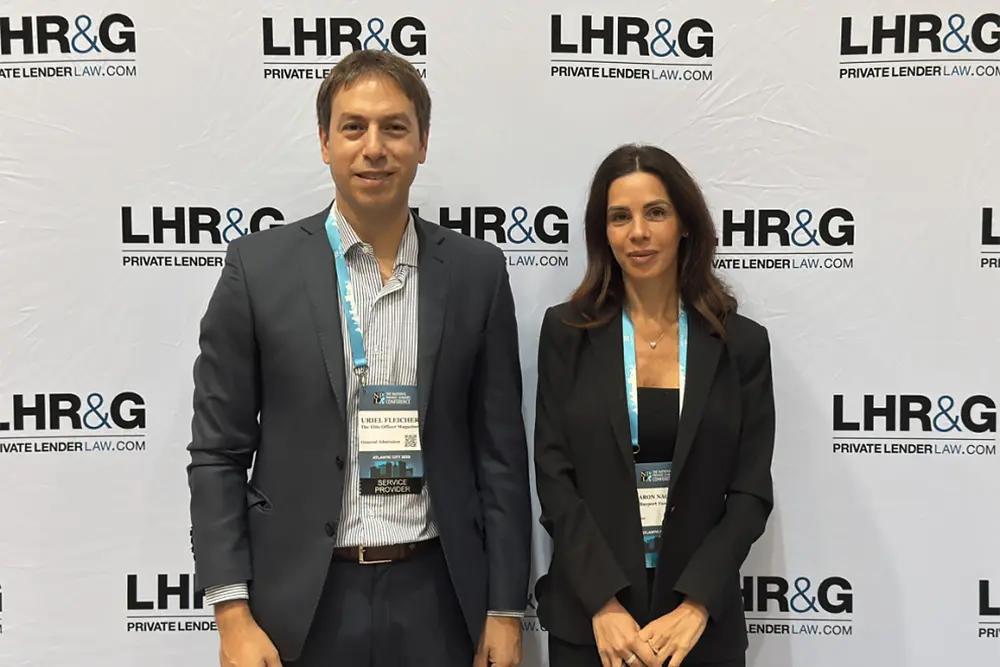
At the NPLA Conference in Atlantic City, I stopped by the Bayport Funding booth — one of the busiest and most welcoming at the event. That’s where I met Sharon Nachman, Director of Business Development, who introduced me to several team members (a few politely opted out of the photo!) and shared Bayport’s unique approach to lending and client relationships. Here’s what she had to say about the company’s values, operations, and growing impact in the private lending space: Uriel: Sharon, it was a pleasure meeting you at the booth. For those who don’t yet know Bayport Funding, how would you describe what you do? Sharon: Bayport Funding is a direct private lender based in Great Neck, NY. We specialize in fix & flip, bridge, and heavy construction loans. But beyond the loan products, our true value lies in how we work with people — fast responses, thoughtful deal evaluation, and long-term relationship building. We take pride in how many of our clients return deal after deal. Uriel: In such a fast-paced market, what helps you maintain that personal connection? Sharon: It’s all about presence. We stay involved throughout the process. Our team is responsive, and we’re known for our ability to close quickly — often in 72 hours. Many of us have experience as real estate investors ourselves, so we understand the urgency and pressure borrowers face. That makes our conversations more honest and our underwriting more thoughtful. Uriel: What kinds of borrowers usually work with Bayport? Sharon: A wide range — from high-volume investors to people doing their first flip. We always assess the project’s viability and the borrower’s preparedness. We’re flexible, but careful. Our goal is to support successful outcomes, not just close loans. Uriel: What would you highlight about the Bayport team? Sharon: They’re exceptional. Not just professionally, but in how we work together. There’s a deep sense of trust and communication internally that reflects in how we serve our clients. We don’t overpromise, but we do overdeliver — and that’s thanks to the people behind the scenes. In a sector driven by speed and volume, Bayport Funding stands out for its ability to combine efficiency with genuine human connection. With Sharon Nachman helping to lead the way, the company continues to earn the trust of brokers and investors alike — not by overpromising, but by consistently delivering. As private lending evolves, Bayport’s commitment to relationships, responsiveness, and real results ensures it will remain a key player for years to come. Sharon Nachman Director of Business Development at Bayport Funding Sharon Nachman has been with Bayport Funding for more than a decade, serving as Director of Business Development. With a strong background in marketing — including a six-year tenure at Bosch — and a business degree from Israel, Sharon brings strategic thinking and emotional intelligence to every client relationship. Known for her warmth and reliability, she’s one of the most recognized faces of Bayport at industry events nationwide.

By adm1n_2411

NPLA

NPLA Atlantic City 2025 – The Epicenter of Private Lending Met in New Jersey

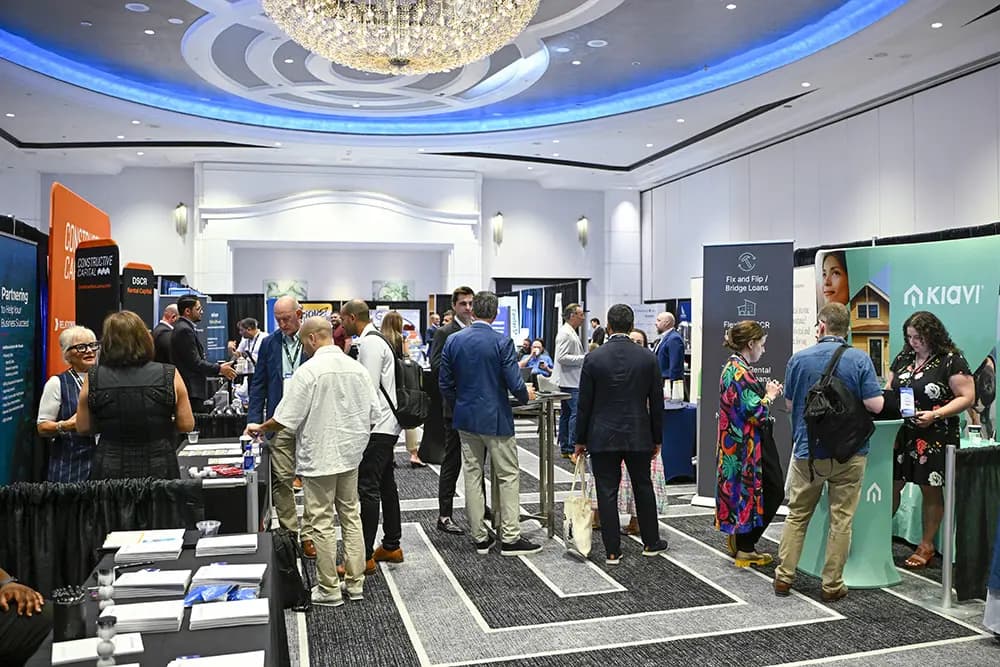
Atlantic City once again became the must-attend meeting point for the U.S. private lending community. With attendance far exceeding that of previous years, the NPLA Conference held its 2025 edition at the Hard Rock Hotel & Casino, bringing together for two full days the key players of the industry: lenders, brokers, investors, funds, insurance firms, tech providers, and specialized consulting companies. Organized by the National Private Lenders Association, the event offered a well-balanced combination of high-level content, commercial exhibition, and intensive networking. From the very beginning, the atmosphere was dynamic and collaborative: the exhibitor hall stayed buzzing, the panel rooms were packed, and every shared space turned into fertile ground for new connections. A True Industry Snapshot The exhibitor hall was the beating heart of the event. Companies such as RCN Capital, Lima One Capital, BPC, Brick City Capital, LHR&G, Roc Capital, Bayport Funding, Broadview Funding, Baseline, IceCap Group, NYC Real Estate Expo, BRRRR, NQM Funding, Diya Finance, GPS Capital, Keller Williams Commercial, Appraisal Nation, among others, showcased their brands with creativity, strategy, and a strong institutional presence. Many of them not only promoted their lending programs (fix & flip, rental, new construction, or multifamily), but also offered technology solutions, processing services, insurance products, and support tools for brokers and real estate professionals. It was a unique opportunity for attendees to compare offerings, explore new partnerships, and discover options that are often hard to access in everyday business. Panels, Experience, and Real Conversation Beyond the booths, the panels delivered valuable insights rooted in experience. Key topics included risk management, interest rate forecasts, strategies for brokers, new origination channels, loan fraud, and opportunities in secondary markets. Special attention was given to the role of women in the industry and to the younger generations entering the private lending space. There was a clear intention to open the dialogue, diversify perspectives, and plan for long-term growth. Unfiltered Networking The social events added warmth and closeness to the conference experience: cocktail hours, rooftop parties, shared meals—all contributed to the same purpose. In a sector where trust is essential, meeting face to face, exchanging ideas without rush, and building genuine relationships remains the most valuable asset. Capturing the Pulse of the Industry At The Elite Officer, we were on-site with the intention of capturing not only what was said—but what was felt. Below, we share a selection of images featuring booths, work teams, industry peers in action, and the spontaneous moments that make this type of event truly unique. Each photo is a small glimpse into an ecosystem in constant motion.

By adm1n_2411

Brick City Capital

Brick City Capital Shines in Atlantic City: An Exclusive Conversation with KJ Mahan

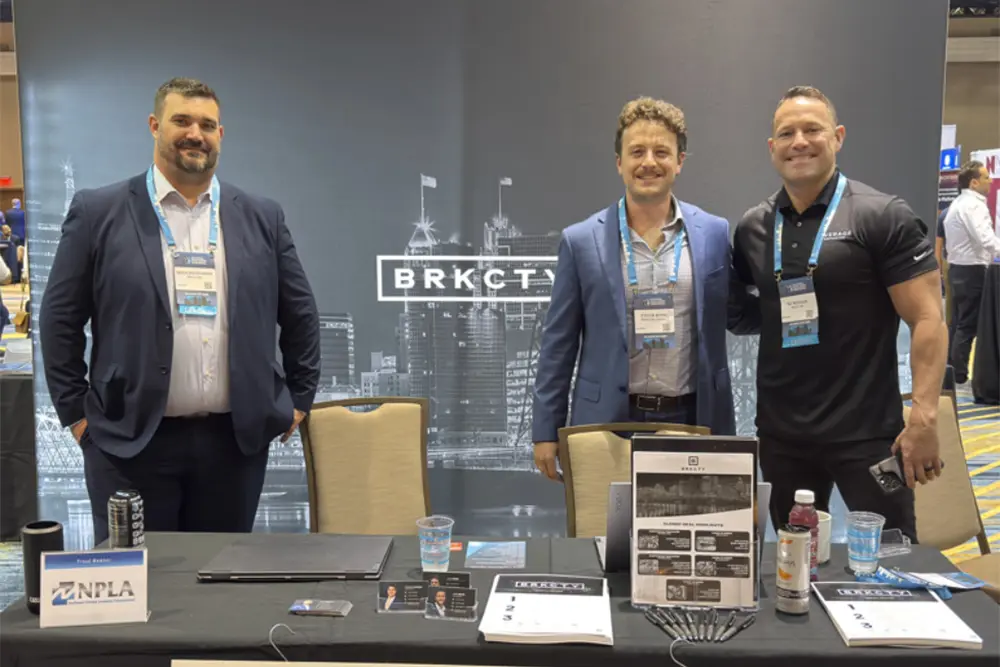
At this year’s NPLA Conference, hosted at the Hard Rock Hotel & Casino in Atlantic City, few booths drew as much attention as Brick City Capital. Their space was packed throughout the event, staffed by notable leaders including KJ Mahan (Chief Revenue Officer), Sean Shanahan (President), alongside Vice Presidents Rocco Mandarino and Matt Neptun, as well as Loan Officers Josh Botti, Connor Depace, and Tyler Ross. Their dynamic presence conveyed Brick City Capital’s reputation as a leading force in DSCR lending. I also had the pleasure of speaking with Eric Panecki, founder of Brick City Capital, whose warmth, sharp insight, and genuine interest in innovation made a lasting impression. Eric’s leadership continues to set the tone for a company that blends strategic thinking with a human touch. Founded in Newark, New Jersey, and now operating nationwide, Brick City Capital has quickly grown into a major player in the private lending market, financing over $800 million in DSCR loans and maintaining a remarkable 77% client retention rate. The company’s focus on speed, flexibility, and clear communication has made it a preferred lender for real estate investors across the country. An Exclusive Conversation with KJ Mahan Uriel Fleicher:KJ, thanks for stepping in today. It’s great to hear your perspective. How would you describe Brick City Capital’s impact at NPLA this year? KJ Mahan: Thanks, Uriel. The energy was incredible. We didn’t just show up—we showed up with intention. We engaged with brokers, discussed live deals, and shared real solutions. We didn’t just promote Brick City—we demonstrated what it means to execute with speed and integrity. Our booth reflected the culture we’ve built: high performance, strong relationships, and a ton of heart. Uriel: What do you believe separates Brick City from other DSCR lenders? KJ: Speed and creativity are key, but what truly sets us apart is how we show up for our brokers and borrowers. We treat each deal like it matters—because it does. We’re not just moving capital—we’re helping people build wealth, stabilize portfolios, and grow long-term relationships. That broker-first mindset is what fuels everything we do. Uriel: You’ve mentored and led hundreds of professionals throughout your career. How do you see that role in your day-to-day work? KJ: It’s something I take seriously, but also very humbly. I don’t think you can lift someone up for them—but you can hold the ladder steady. You can point out where the rungs are broken so they don’t slip. Everyone climbs their own ladder in their own way—I’m just honored when I get to be part of that process. Whether it’s a new Loan Officer finding their rhythm or a seasoned broker refining their edge, if I can help someone rise with more confidence, that’s a win. Uriel: That’s powerful. Can you share a recent deal that reflects Brick City’s capacity to deliver? KJ: Sure—one that comes to mind is a $5.2M DSCR loan we closed on a luxury SFR asset in South Florida. It was complex in structure, but we moved quickly, structured creatively, and delivered where others had stalled. That deal showcased not only our super-jumbo capability but also our ability to move with agility and precision. Uriel: What do the next 12 to 24 months look like for Brick City? KJ:We’re expanding rapidly—but doing so with purpose. More states, more brokers, more volume. But always with the same foundation: relationships, responsiveness, and results. We’re not trying to be the biggest—we’re trying to be the best partner in the space. That’s what drives us. Uriel: One last question: how would you sum up your NPLA experience this year in one sentence? KJ: We didn’t just connect—we contributed. And that’s the part that matters most. With a strong presence, a motivated leadership team, and a product offering that aligns with the evolving needs of real estate investors, Brick City Capital is clearly positioned for continued success. Their momentum at NPLA was not just a reflection of past achievements—it was a preview of what’s to come. Without a doubt, they are set to deliver outstanding results in the months and years ahead. KJ Mahan Chief Revenue Officer of Leverage Companies, the parent organization of Brick City Capital, Leverage Homes, Deals & Dollars, Leverage Capital, Leverage Holdings, and Leverage Cares. A business developer, entrepreneurial leader, and mentor, KJ has led and coached hundreds of professionals into top-performing roles across real estate and lending. At Brick City Capital, he drives national revenue growth through strategic partnerships, broker-first execution, and creative lending structures. Under his leadership, the company originates over $600 million annually in DSCR financing and has risen to become one of the top 10 private lenders in the U.S., according to Scotsman Guide. With a bold approach to leadership and a deep commitment to impact, KJ is helping reshape how lending teams perform and how lives are changed through execution.

By adm1n_2411

Visio Lending

Visio Lending: Hassle-Free Rental Loans — A Booth Visit at IMN Conference

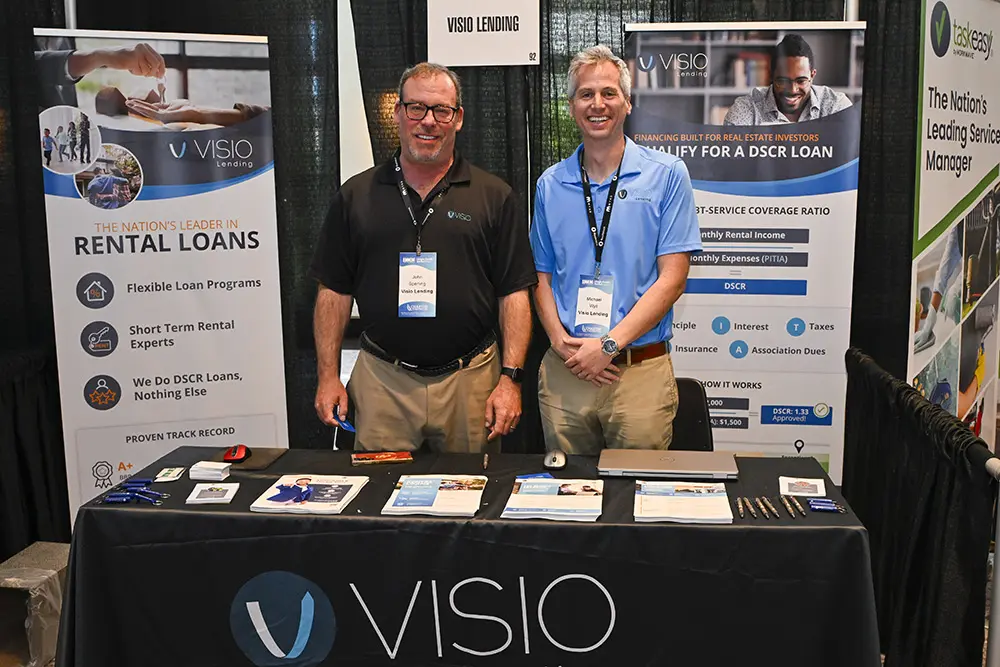
At every industry event, there are booths you pass by out of courtesy… and others you’re glad you didn’t miss. That was exactly my experience at the recent IMN Conference, when I stopped at the Visio Lending booth — a name well-known among investors looking to expand their rental portfolios without the headaches of a traditional mortgage. There I met Michael Wyll and John Sperling, two seasoned professionals with decades of combined mortgage experience. With the kind of clarity that only comes from doing things well, they walked me through why Visio has become one of the strongest players in the DSCR loan space for rental properties. “What we do is very straightforward,” Michael summarized for me. “We finance properties based on the property’s cash flow — not the borrower’s personal income. If the rent covers the mortgage payment, you’re good to go. It’s that simple.” With this approach, Visio Lending allows investors to purchase or refinance single-family rentals, duplexes, triplexes, and even fourplexes — all without the red tape that usually comes with traditional underwriting. The highlights? 30-year fixed loans with no balloon payments, up to 80% LTV for purchases and 75% LTV for cash-out refinances, and closings in as fast as 3 to 5 weeks. John, who has personally overseen over $1 billion in loan volume across Texas and other states, emphasized the real value for brokers and borrowers alike: “Many banks don’t touch short-term rentals or vacation rentals. We do. With Visio, a loan officer can confidently say: ‘Yes, we can make this happen — and fast.’” In Florida — a market we know well at The Elite Officer — Visio has already funded nearly $600 million in single-family rental loans alone. That’s proof that when your strategy is clear and your process is streamlined, results follow naturally. Before I left the booth, both Michael and John shared a message every loan officer should remember: “We’re here to educate loan officers so they can expand their product offerings. A solid DSCR loan gives your clients a way to build real wealth — without overcomplicating their personal finances.” I walked away from Visio’s booth with one clear takeaway: Visio Lending doesn’t sell shortcuts — they provide a practical tool for serious investors who want to turn rental income into a scalable portfolio, one property at a time. Michael Wyll Senior Account Executive at Visio Lendingmichael.wyll@visiolending.comvisioloans.com Michael Wyll is a Senior Account Executive at Visio Lending, bringing over 20 years of experience in mortgage lending across conventional and non-QM products. A graduate of the University of Texas at Austin (BBA in Finance) and Southern Methodist University (MBA), he has closed more than $135 million in nearly 500 DSCR and investment property loans nationwide. Michael is known for clear communication, strategic guidance, and personalized support that help investors scale their rental portfolios confidently. John Sperling Senior Account Executive at Visio Lendingjohn.sperling@visiolending.comvisioloans.com John Sperling is a seasoned mortgage professional and Senior Account Executive at Visio Lending. A USC alumnus, he spent 12 years leading USA Mortgage in Texas before joining Visio in 2013. Since then, he has funded over $700 million in DSCR loans across nearly 3,000 transactions, helping clients finance both long-term and vacation rentals in key markets like Florida, Georgia, New Jersey, and Texas. John is trusted for his transparency, expertise, and commitment to helping investors build scalable rental portfolios.

By adm1n_2411

RCN Captial

RCN Capital Turns 15: How We Met Serena DeStefani and Her Take on the Industry

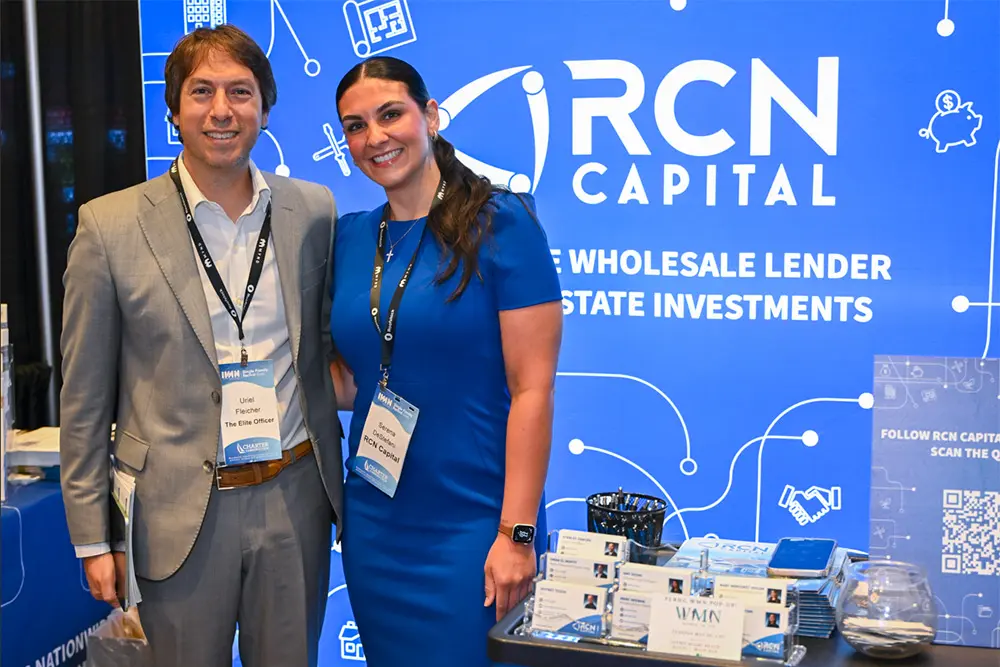
This year, RCN Capital proudly celebrates its 15th anniversary — marking a decade and a half of providing reliable financing solutions for real estate investors nationwide. With a reputation built on transparency, speed, and strong relationships, RCN Capital has become a leading name in private lending, trusted by brokers and borrowers alike for both fix-and-flip and long-term rental projects. During this milestone year, I had the honor of meeting Serena Destefani, one of the talented professionals representing RCN Capital at two major industry events I attended: first at the company’s booth during the NPLA Conference Miami and more recently at the IMN Conference Miami. Serena’s passion for the industry and her approachability makes her a standout ambassador for RCN’s values. Below is an exclusive conversation we had about her role, her insights on the industry, and her thoughts on our project, The Elite Officer. Uriel Fleicher: Serena, it’s great to talk to you again. You’ve been busy representing RCN Capital at both the NPLA and IMN conferences this year. What has stood out to you about participating in these events? Serena DeStefani: Thank you — it’s been wonderful seeing so many familiar and new faces! Both conferences highlight the energy and evolution in private lending. They’re great opportunities for us to listen to what investors and brokers really need, and to demonstrate how RCN Capital can support their goals. We succeed when our customers succeed, and attending these conferences gives us valuable insight into what drives others’ achievements — so we can continue to deliver solutions that truly add value. Plus, they’re a great reminder of how far RCN has come in 15 years!” Uriel: For our readers who might not know you yet, could you tell us a bit about your professional background and what led you to join RCN Capital? Serena: Sure! I’ve always been drawn to sales, finance and relationship-building. My background includes roles in accounting and customer service, and I love the mix of analytical and people-oriented work. At RCN Capital, I get to work with an incredible team and help investors achieve their goals — it’s the perfect fit for me. Uriel: What are some common questions you get when talking to new clients or partners about RCN Capital? Serena: People are always curious about how we balance fast closings with prudent underwriting. They want to know about our track record, what makes us different, and how we handle market changes. It’s rewarding to show them the systems and the team behind our success. I am lucky to work for such an amazing company that offers resources to allow me to serve our customers and provide insights on whatever questions clients have for me. Uriel: I’ve shared with you a bit about The Elite Officer, our initiative to connect high-performing professionals and build a community that fosters growth, collaboration, and continuous learning in the lending industry. What do you think about the project? Serena: I really like it. There’s always a need for platforms that spotlight strong leadership and practical knowledge. A project like The Elite Officer helps raise standards and builds a network where people can share insights and support each other’s growth. That’s invaluable in this business. A loan officer’s success only comes if their borrowers succeed. Highlighting loan officers is a rewarding feeling for us because of our counterparts’ triumphs we helped to get here. Uriel: Finally, what advice would you give to someone who wants to grow their career in private lending? Serena: Focus on building genuine relationships and staying curious. Learn as much as you can about the market, listen to experienced people, and don’t be afraid to ask questions. The more you understand the needs of your clients and partners, the better you’ll succeed in this field. Most importantly, have a strong mind set of wanting it. This conversation with Serena Destefani is a great example of the kind of leadership and passion that has made RCN Capital a trusted name for 15 years — and counting. An Unexpected Connection Halfway through our conversation, we were joined by Pragma’s leadership team — Henry Santos and Skaidre Trakimas — who happened to stop by just as Serena and I were discussing The Elite Officer. What started as a simple interview quickly turned into an impromptu roundtable, presenting both The Elite Officer and RCN Capital’s vision to Pragma. Sometimes the best ideas and connections happen exactly like this: in the middle of a busy conference floor, with the right people, at the right moment. Serena DeStefani Senior Loan Officer at RCN Capital sdestefani@rcncapital.com Serena is a Senior Loan Officer at RCN Capital, based in the Charlotte metro area, where she has been instrumental in originating financing for real estate investors since joining the company in August 2020. With a bachelor’s degree in Accounting from Belmont Abbey College and over five years of loan management experience at RCN Capital, Serena leverages her analytical skills and customer-first approach to deliver tailored lending solutions. She is a standout performer among RCN’s top originators, frequently representing the firm at key industry events and actively engaging with brokers and investors to grow business relationships.

By adm1n_2411

RCN-Captial-foto

RCN Capital: 15 Years of Success Celebrated with a Rootin’ Tootin’ Backyard BBQ

This month, RCN Capital marked its 15th anniversary in true backyard style — with a Rootin’ Tootin’ BBQ packed with good food, games, music, drinks, and even a mechanical bull. The celebration perfectly captured the vibrant, people-centered culture that has driven RCN’s growth from its humble beginnings to becoming a national leader in private lending. Founded in 2010 and headquartered in South Windsor, Connecticut, RCN Capital has grown into one of the largest private lenders in the U.S., specializing in short-term financing solutions for residential and commercial real estate investors. Each year, the company funds billions in loans for fix-and-flip projects, rental portfolios, and bridge financing, providing flexible capital for a broad range of investor needs. A team that fuels growth In their own words: “We are so thankful for each of our employees that continue to help us grow to new heights. None of this would be possible without the incredible team we’ve built here.” This celebration was not just about marking a milestone but about recognizing the people and the collaborative spirit that make RCN Capital thrive. Leadership: Jeffrey Tesch, CEO RCN Capital’s growth story would not be complete without highlighting its CEO, Jeffrey Tesch. With over 15 years of experience in real estate investing and private lending, Jeffrey has led the company’s strategic expansion across the country, building a trusted brand among brokers, borrowers, and investors alike. A frequent speaker at industry conferences, Jeffrey is a strong advocate for transparency, education, and responsible lending practices within the private lending community. His vision has positioned RCN as a dependable partner that delivers creative solutions and fast closings in a dynamic real estate market. Impressive numbers and national reach Today, RCN Capital finances over $1 billion annually in real estate loans. Its portfolio covers everything from single-family investment properties to multifamily buildings and commercial assets. Backed by technology, a skilled team, and a network of trusted partners, RCN continues to set the bar high for service and innovation in private lending. Celebrating the present, building the future Events like this backyard BBQ are a reminder that behind every deal, every dollar funded, and every borrower served, there’s a dedicated team that works hard — and has fun doing it. At The Elite Officer, we congratulate RCN Capital on this milestone and look forward to seeing how they continue to raise the standard for private lending in the years to come. Cheers to 15 more years and beyond.

By adm1n_2411

taskeasy

TaskEasy by WorkWave: Streamlining Exterior Property Maintenance

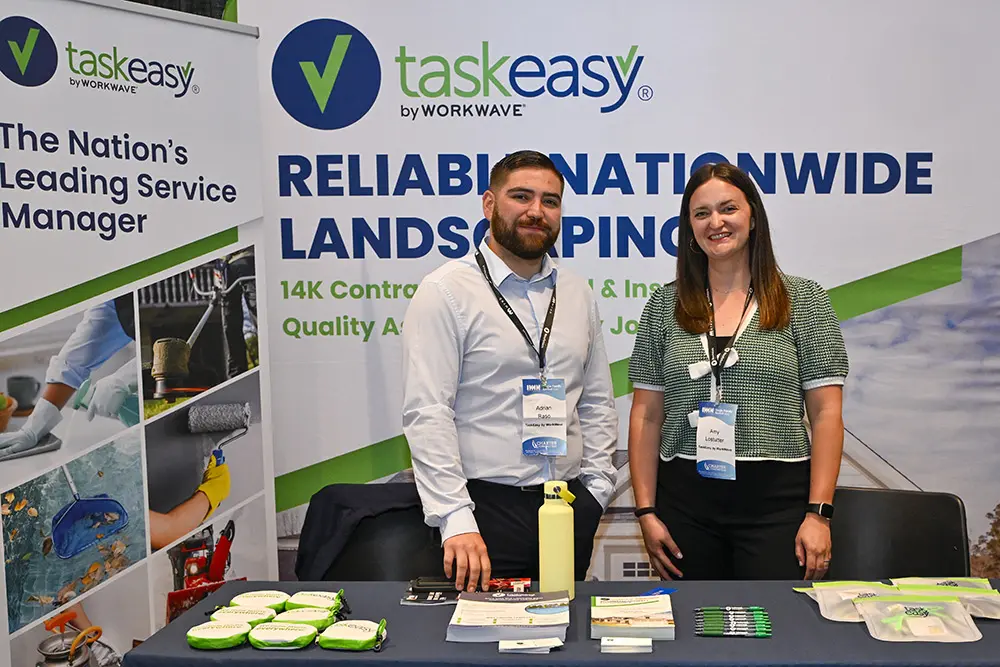
While attending the IMN Conference in Miami, I had the chance to visit the TaskEasy by WorkWave booth and speak with Adrian Raso and Amy Lostutter, who shared the story behind the company, how it works, and the main benefits it brings to property managers and owners. TaskEasy was founded in 2011 as a tech startup with the mission of simplifying how exterior maintenance services are booked and managed. Since its consumer launch in 2013, it has rapidly expanded, completing over one million tasks and operating in more than 12,000 cities across all 50 U.S. states. In November 2022, TaskEasy was acquired by WorkWave, a leader in field service management software, strengthening its capabilities and national contractor network. Adrian and Amy explained how the platform helps individual homeowners, large rental portfolio managers, and property management companies automate and oversee exterior services such as lawn care, snow removal, and move-out cleaning. One of its biggest advantages is that TaskEasy removes the hassle of negotiating prices by using a proprietary algorithm that calculates fair market rates, ensuring transparency and protecting clients from unexpected costs. Each job is verified through before-and-after photos and a manual quality review, providing peace of mind to both owners and tenants. Another key strength is TaskEasy’s rigorously vetted and insured contractor network, supported by a system that streamlines communication and real-time updates. For property managers overseeing multiple units or properties across different states, this means significant time savings, fewer service inconsistencies, and a standardized level of quality throughout their portfolios. In short, TaskEasy by WorkWave has positioned itself as an all-in-one solution for exterior property maintenance by combining innovative technology, a trusted national service provider network, and an easy-to-use platform that centralizes operations. Amy Lostutter Marketing Manager at TaskEasy by WorkWaveamy.lostutter@workwave.comhttps://www.taskeasy.com Amy is the Marketing Manager at TaskEasy by WorkWave. With a strong background in marketing strategy and team leadership, she plays a key role in shaping TaskEasy’s brand presence and customer outreach. At the booth, Amy demonstrated her deep knowledge of the platform and its nationwide contractor network, providing clear explanations on how TaskEasy’s solutions help property managers automate exterior maintenance and deliver consistent quality at scale. Adrian Raso Account Executive at TaskEasy by WorkWavehttps://www.taskeasy.com Adrian serves as an Account Executive at TaskEasy by WorkWave. Recognized for his outstanding performance, Adrian has earned the company’s prestigious President’s Club award and is known for helping large property managers implement smart maintenance solutions that deliver efficiency and cost savings.

By adm1n_2411

Leadership and Purpose: John C. Maxwell’s Lessons for Loan Officers

In the world of commercial lending, standing out is not just about closing deals—it’s about leading with purpose. John C. Maxwell, one of the most respected voices in leadership, teaches us that success is not solely rooted in technical skills, but in the ability to positively influence others. His philosophy of principle-based leadership is a powerful framework for Loan Officers seeking to differentiate themselves and create lasting impact on their clients and teams. Leadership Begins with Influence Maxwell reminds us that leadership is not about titles or positions—it’s about influence. As a Loan Officer, your role goes beyond facilitating financing; you are helping investors achieve their dreams and build a solid future. When you operate with integrity and commitment, you cultivate trust and loyalty among your clients. Building Relationships, Not Just Closing Deals Effective leaders don’t view clients as mere transactions—they see them as long-term relationships. In the commercial lending space, every investor has unique goals. Taking the time to understand their needs with empathy can make all the difference. Leading with service and dedication builds a reputation grounded in integrity and real results. Success Is Never a Solo Journey Another core lesson from Maxwell is that great leaders recognize the power of teamwork. A culture of collaboration and continuous learning allows every Loan Officer to grow within a supportive environment. Sharing knowledge, learning from peers, and contributing to collective success amplifies your overall impact. Inspiring Others Through Your Work When you lead with a positive mindset, you inspire clients, colleagues, and the next generation of professionals. Every deal you close is an opportunity to demonstrate leadership, dedication, and passion for what you do. If investors trust you, it’s because they see your genuine motivation and commitment. Maxwell reminds us that the most successful leaders are not those who chase success for its own sake, but those who understand that true leadership is built on service and positive influence. As a Loan Officer, your personal brand and professional impact will grow as you embrace authentic leadership. Find the purpose behind your work, lead with inspiration, and build relationships that transcend business. Because at the end of the day, it’s not just about what you do—it’s about how you influence others through your work.

By adm1n_2411

colored-hats-loan-officers

How to Make the Most Important Decisions with Colored Hats

Have you ever been in a meeting where you’re discussing a new idea with your colleagues, and suddenly the room fills with arguments both for and against it? What starts as a creative exchange quickly turns into a whirlwind of opinions, interruptions, conflicting views, and vague conclusions. These conversations often become chaotic — full of energy but lacking direction. And when the meeting ends, you leave feeling more confused than when you started: no decision, no clarity, and sometimes even less confidence in the idea than before. This happens more often than we admit. And yet, it’s not necessarily because the idea was bad — but because we lacked a method. A structure. A way to allow the idea to breathe, evolve, and be examined without being strangled too early by criticism, nor distorted by blind enthusiasm. That’s where Edward de Bono’s “Six Thinking Hats” come in — a powerful technique that invites teams to look at a single idea from six distinct perspectives, one at a time. Instead of everyone speaking at once from their own angle, the room aligns to explore a common mental framework, step by step. It doesn’t force consensus — it creates clarity. And from clarity, good decisions emerge. A Case Study: Our Own Decision-Making Challenge At The Elite Officer, we know what it’s like to face decisions that could shape the future of the entire project. As we continue developing our digital news platform and our print magazine — conceived as the go-to resource and daily companion for loan officers across the U.S. private lending ecosystem — we encountered a dilemma: should we launch a professional training course for new loan officers? The idea checks every box. It’s aligned with our mission to empower professionals through quality content and real support. We secured a collaboration with Millennia Atlantic University (MAU) to provide academic backing. Major lenders across the country showed immediate interest, recognizing how this course could shorten the training curve and improve ROI by preparing loan officers faster and better. But here’s the catch: time and resources are limited. And if the course project gets too big, too fast, it might pull us away from what matters most right now — finishing the core product: our news platform and magazine, the true foundation of the brand. So… how do you make a decision like this without falling into the chaos of competing voices? The Six Hats: A Way to Think Without Colliding Each of De Bono’s six hats represents a distinct mental role. In most meetings, these roles get jumbled — one person focuses on facts, another on risks, someone else on optimism, and someone’s just going with their gut. With this method, the entire group adopts one hat at a time, allowing for full immersion in that perspective. The result: organized thinking and better outcomes. White Hat— Focuses on facts and information. What do we know? What’s missing? Red Hat— Emotions, intuitions, gut reactions. What do we feel about the idea? Yellow Hat— Optimism. What are the benefits? What could go well? Black Hat— Caution. What are the risks, weaknesses, and limitations? Green Hat— Creativity. What are the alternatives, improvements, innovations? Blue Hat— Control. Who moderates? What’s next? What have we decided? Let’s see what happens when we apply each hat to our case. Applying the Six Hats to the Training Course White Hat: MAU guarantees academic rigor. There are an estimated 1,200 new loan officers every quarter in Florida alone. Lenders validate the need to cut training time significantly. The course will require about four to six months of intensive production, with high estimated cost. Meanwhile, the magazine already demands ongoing editorial, design, marketing, and commercial focus. Red Hat: Excitement is high: pioneering specialized training could raise the magazine’s authority. Fear persists: losing focus on the core web platform and the magazine could weaken the foundation. Intuition suggests starting with a scaled-down pilot to test traction without risking everything. Yellow Hat: The course would strengthen the magazine’s position as a true comprehensive support tool — not just for news but for real professional development. It addresses a genuine industry need, opens a new sustainable revenue stream, and deepens trust within the loan officer community. Black Hat: There is a real risk of diverting human and financial resources away from the news platform and regular magazine production. Without a strong marketing plan, sign-ups could fall short. Green Hat: Launch a free pilot module to gauge real interest without overburdening the team. Use microlearning formats for faster, more flexible production. Integrate the course with premium magazine content to boost subscription value. Seek co-investment or sponsorship from lenders to share production costs and offer perks to their staff. Blue Hat: Appoint a dedicated project manager separate from the main editorial team. Outline clear phases: pilot in 60 days, full launch in 120 days. Protect the core team’s time and budget so the platform and magazine stay on track. Hold biweekly check-ins to review progress and adjust as needed. Not Every Idea Dies Because It Was Wrong Sometimes, good ideas don’t fail because they were flawed. They fail because they weren’t allowed to mature. They were thrown into the room without protection — exposed to criticism before they could even stand up. They were debated too early, abandoned too quickly, or simply lost in the noise of unstructured opinions. Using the Six Thinking Hats is not about making better arguments. It’s about thinking better, together. It’s the kind of method that prevents you from suffocating an idea before it shows its potential. The kind of method that could very well define whether your company grows carefully, intentionally — or gets lost chasing everything, achieving nothing. Because in the end, the difference between a great idea that dies and a great idea that scales may not be the idea itself — but how you decide what to do with it.

By adm1n_2411

imn-conference-miami-2025

IMN Conference Miami 2025 – Single Family Rental (East): A Key Gathering for the Private Lending Industry

The IMN Conference – Single Family Rental (East), hosted by the Information Management Network, is one of the most influential events for professionals in private lending, real estate, and capital markets across the United States. Each year, it brings together industry leaders, private lenders, investors, and specialized service providers to discuss market trends, explore business opportunities, and build strategic partnerships. The 2025 edition in Miami featured prominent companies showcasing their latest solutions and insights through booths, panels, and networking sessions — all aimed at shaping the future of the industry and sharing best practices for navigating an ever-evolving economic landscape. At The Elite Officer, we were on-site to cover the highlights and capture the spirit of the conference. While the event’s scale and schedule made it impossible to visit every booth in detail, we’ve gathered a few images that reveal just how impactful this gathering is for everyone in the private lending space. We invite you to enjoy this brief gallery and stay tuned for more insights, interviews, and key takeaways from the industry’s most important events in our upcoming editions.

By adm1n_2411